Blade care: the ten minutes a year that double the life of a shaver
Most people replace a grooming tool when the blade gets blunt. Here is how to make that take three years instead of one.
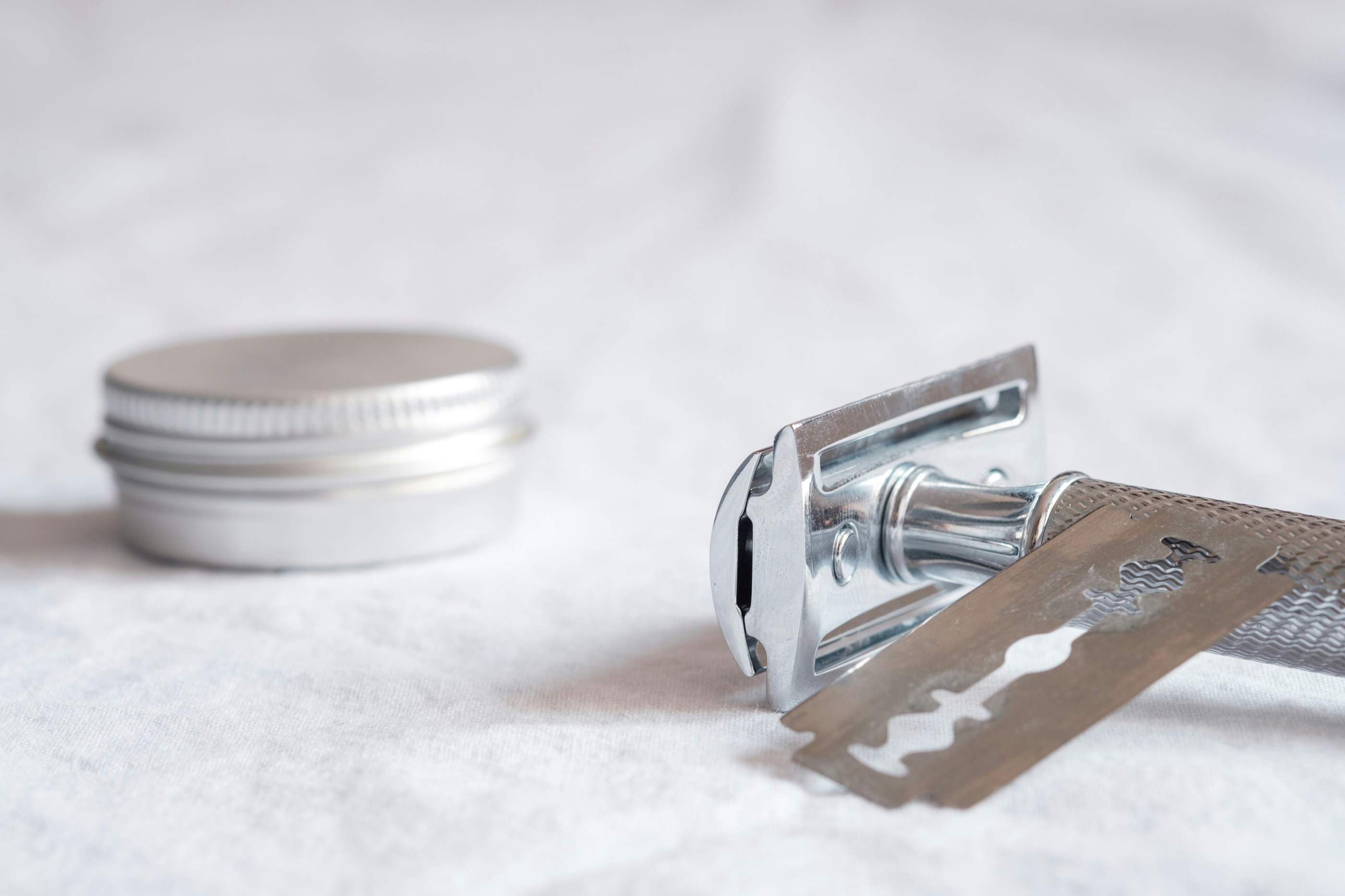
Almost nobody throws out a shaver because the motor died. They throw it out because it started pulling, and pulling reads as "this tool is finished". Nine times out of ten the tool was fine and the blade was not.
What actually goes wrong
Three things, in order of how often we see them. First, a foil worn past its interval — the etched holes elongate, the cutter sits fractionally further from skin, and you press harder to compensate, which is what causes irritation. Second, dried skin and soap residue packed into the cutter, adding friction the motor has to overcome. Third, a dry blade set on a clipper, where steel grinding on steel without oil wears both surfaces in weeks.
The rotary shaver routine
- After every use: ten seconds under a warm tap with the head open, then shake it out and leave it open to dry.
- Once a week: pop the heads off, brush the cutter seats, rinse, reassemble. Ninety seconds.
- Once a year: replace the head assembly as a matched set. Do not mix a new foil with an old cutter — they wear into each other.
The last point is the one people resist, because a set of heads costs real money. It also costs a fraction of a new shaver, and a worn foil is the reason you were about to buy one.
The clipper routine
- After every cut: brush the hair out of the blade teeth with the blade set still on.
- Every fifth cut: two drops of oil along the teeth with the clipper running, then wipe the excess.
- Every few months: take the blade set off, rinse it, dry it completely, oil it, put it back.
That is the entire programme. It takes about ten minutes spread across a year and it is the difference between replacing a blade set every eighteen months and replacing the clipper every two years.
How to tell when a blade is genuinely done
A blade at the end of its life pulls consistently in one direction, leaves a visibly uneven finish on a second pass, or produces a distinctly higher-pitched note under load. If cleaning and oiling do not change any of those within one use, the blade is done — not the tool.
Ask for the replacement part number before you buy the tool. If nobody can give you one, you are buying a consumable.
Every cutting surface we ship has a published part number and a ten-year stocking commitment from launch. That is not generosity — it is the only way a two-hundred-dollar shaver makes sense as a purchase.
Written in-house. No sponsored placements appear on this site.